

Beckham Law Form 100 error: did you file the wrong tax return?
A Beckham Law Form 100 error does not, by itself, mean you have left the special tax regime. If you validly opted into the regime but filed Form 100 instead of Form 151, you need to review and correct the return. You should also check any tax office notices before making a new filing.
Spanish tax ruling V1921-25, dated 15 October 2025, addresses this issue. It draws a clear line between filing the wrong annual form and formally opting out of the regime. This ruling offers a route to put the record right, but it does not remove the need to act.
At Pérez Parras Economists and Lawyers, we review the original election, the return you filed and the correct Form 151 figures. Our Beckham Law tax service in Spain covers both applications and annual tax issues.
Beckham Law Form 100: what did ruling V1921-25 decide?
In the ruling, the taxpayer became tax resident in Spain in 2023. She had elected to use the special regime and held an AEAT certificate. It covered the tax years 2023 to 2028, subject to opting out or exclusion.
However, she filed Form 100 for 2023 by mistake. According to her figures, Form 151 would have produced a higher refund. She asked whether that filing meant she had lost the right to use the special regime in later years.
The DGT concluded that this error did not amount to opting out. It said she should request correction of the 2023 Form 100 return and explain why the special regime applied. At the same time, she should submit the correct Form 151 for that year.
These facts matter. This was a taxpayer who had already elected into the regime. The ruling does not establish that filing Form 151 can cure an invalid election or every missed deadline.
Why the wrong return is different from opting out
Article 117 of the Income Tax Regulations sets out a formal process for opting out. It also states that taxpayers who opt out cannot choose the regime again. That makes it essential to distinguish a filing mistake from a valid decision to leave.
A person may use Form 100 because an adviser followed the standard income tax process. Another may assume that the Beckham Law only affects deductions from pay. Neither fact alone proves a formal decision to leave the regime.
Still, you should check the whole file. A separate notice of withdrawal or a ground for exclusion would change the analysis. Do not assume that a favourable ruling on one error resolves every issue in your case.
Form 100 and Form 151 serve different purposes
Spain uses Form 100 for the ordinary personal income tax return. Form 151 is the annual return for taxpayers covered by the special regime. Although those taxpayers remain personal income tax taxpayers, special rules govern the calculation of their tax.
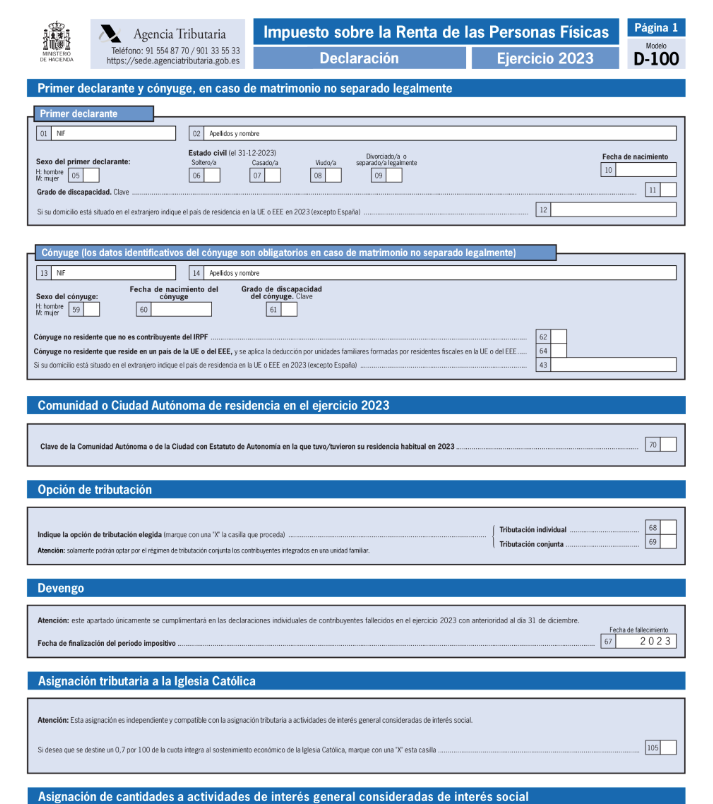
The duty to file the special return appears in Article 114 of the Regulations. Approval of the current Form 151 appears in Order HFP/1338/2023. You can also use the AEAT Form 151 filing page.
You cannot safely fix the issue by copying the same figures into a new form. The treatment of income, reliefs and other items may differ. A review should establish the tax due under the rules that apply to you.
Examples of a Beckham Law Form 100 mistake
An employee files through the ordinary income tax system
Suppose an employee holds a valid election certificate but uses the ordinary tax return service. Their employer has applied the special payroll rate during the year. However, an annual return may still be wrong because payroll treatment does not determine which form they must file.
Your next step is to compare the filed return with a properly prepared Form 151. This comparison could affect tax payable, a refund or the way particular income appears in the file. A larger refund is possible in some cases; it is not a promise.
A return includes foreign income or deferred pay
A review becomes more detailed when there are foreign bonuses, share awards or pay linked to work before the move. These items need their own analysis. See our guides to foreign bonuses and foreign deferred compensation.
A home in Spain or a family member under the regime may also raise separate annual filing issues. These should be checked alongside the wrong form, rather than left for a later tax year.
How to correct a Beckham Law Form 100 error
1. Check that the election was valid
Start with the move to Spain, the first tax year and the grounds for using the regime. Review Form 149, proof of filing and the AEAT certificate. Confirm that there was no formal withdrawal or exclusion.
This evidence supports the reason why Form 151 was the right annual return. A claim that you selected the wrong form is not enough on its own.
2. Review the return and the supporting records
Collect the filed Form 100 and its receipt. Then gather payroll certificates, income records, foreign tax documents and any AEAT notices. Check the payment or refund already made.
- Employment income and variable pay.
- Tax withheld by each payer.
- Foreign income and the period to which it relates.
- Property income and relevant assets.
- Reliefs claimed under the ordinary regime.
- The tax years that may need review.
3. Calculate the correct Form 151 result
Prepare the figures under the special rules. Reconcile the tax withheld with the amounts shown by the employer and the tax office. Explain any difference from Form 100 and keep the supporting calculations.
This step shows whether the error caused excess tax, a lower refund or another discrepancy. It also helps avoid a second incorrect filing.
4. Choose the correction route for the year concerned
For the 2023 facts in V1921-25, the DGT required a request to correct Form 100 alongside the correct Form 151. Her request had to explain the mistake and why the special regime applied.
For your own case, check the tax year, the result and the procedure then in force. Rules on corrective returns have changed. A request for correction, a corrective return and a supplementary return are not interchangeable in every case.
Your submission should identify the election, the wrong return, the correct calculation and the relief sought. Add the evidence that supports each point. This gives the AEAT a clear basis on which to assess the correction.
5. Check deadlines and keep proof of filing
Review the relevant time limits before taking action. Keep the filing receipt and track any request for further information. If several tax years contain the same mistake, review each year separately.
What if the AEAT has already opened a tax check?
An open tax check can change the route. Article 126 of the tax procedure regulations limits a separate correction request where an ongoing check or investigation covers the same tax obligation. You can still make submissions and provide documents in that procedure.
Read the notice before sending a fresh return or request. Check which year and issues the AEAT is reviewing, the response deadline and any decision already issued. The advice should fit that stage of the case.
A generic correction letter may fail to address the actual notice. We therefore review the procedure and the underlying tax figures together.
What happens if you leave the error uncorrected?
A wrong form can leave inconsistent data in your tax record. It may affect a refund, cause mismatches with payroll records or complicate the next return. The absence of automatic withdrawal does not make the original return correct.
You should also review later years. One filing mistake need not end the regime, but repeated use of the wrong form can make the file harder to explain.
Documents to send for a professional review
- Your Form 149 and proof of the election.
- The AEAT certificate and any later notices.
- Copies of Form 100 for each affected year.
- Payroll and withholding certificates.
- Details of foreign income, property and variable pay.
- Evidence of tax paid or refunds received.
- Any draft Form 151 or earlier correction request.
Our team in Málaga and Nerja advises clients across Spain and people managing cross-border tax matters. We define the scope and fees after reviewing the circumstances. Work may include the tax calculation, a correction request or a response in an open tax procedure.
Beckham Law Form 100: frequently asked questions
Have I automatically lost the regime?
No. V1921-25 confirms that filing the wrong form did not itself amount to withdrawal in the case examined. You still need to check the original election, any exclusion issue and the correction required.
Can I simply file Form 151 and forget Form 100?
That may leave two inconsistent returns on record. A correction should explain what happened to the first return and how the correct figures follow from the special regime.
Will I receive a refund?
Only if the correct calculation and the facts support one. The ruling involved a lower refund under Form 100, but the result in another case may differ.
Does the special payroll rate remove the annual filing duty?
No. Tax withheld from pay is a payment on account. You must still review and file the annual return that applies under the regime.
Do family members need their own review?
Yes. Their position and filing duties require separate consideration. Read our guide to family members and Form 151 with no income.
Get help with a Form 100 return filed under the Beckham Law
Before filing again, let us review your election, tax returns and any AEAT notice. We can assess the correction route, the supporting documents and the next steps for later years.
Contact Pérez Parras about your Beckham Law Form 100 error. For the wider service and related guides, visit our Beckham Law advice page.
Legal references: DGT ruling V1921-25, 15 October 2025; Article 93 LIRPF; RIRPF Articles 114 and 117; LGT Articles 120 and 122; RGAT Articles 126–129. The correction route must be checked for the tax year and procedural stage concerned.
If the error also affects your payslips, review our guide to Beckham Law withholding and payroll corrections. For linked family returns, see Form 151 duties for spouses and children.
LEAVE A REPLY